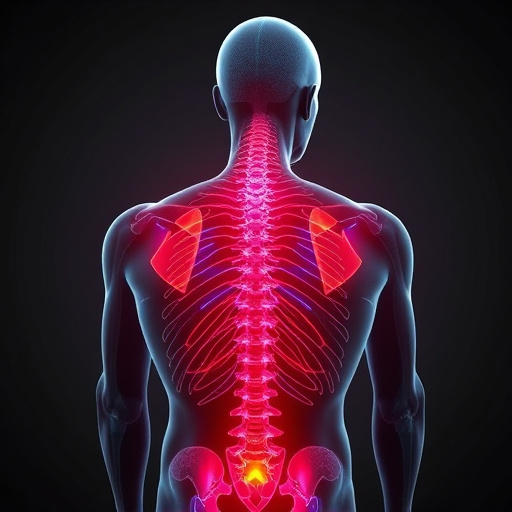
Best Chiropractor for Lower Back Pain in Frisco: A Comprehensive Guide
Introduction
Lower back pain is a prevalent issue that affects millions of individuals worldwide, significantly impacting their quality of life. In the bustling metropolis of Frisco, Texas, finding effective relief has become a top priority for many residents. Enter the realm of chiropractic care, specifically tailored to address lower back pain. This article aims to guide readers through the process of identifying and selecting the best chiropractor for their specific needs, focusing on the context of lower back pain in Frisco. By exploring various aspects from definition to future trends, we will equip readers with the knowledge to make informed decisions regarding their spinal health.
Understanding Best Chiropractor for Lower Back Pain in Frisco
Definition and Role
A best chiropractor specializing in lower back pain is a qualified healthcare professional who uses hands-on manipulation of the spine and other joint structures to alleviate pain and improve function. Chiropractic care focuses on diagnosing and treating mechanical disorders of the musculoskeletal system, with a particular emphasis on the spine. In the context of lower back pain, chiropractors employ various techniques to reduce discomfort, enhance mobility, and promote overall well-being.
Core Components
-
Spinal Manipulation: The primary tool in a chiropractor's arsenal is spinal manipulation, which involves applying controlled force to specific joints in the spine. This technique helps restore joint function, reduce stiffness, and alleviate pain.
-
Diagnosis: Chiropractors conduct thorough examinations, including medical history reviews, physical assessments, and diagnostic imaging, to identify the root cause of lower back pain. Accurate diagnosis is crucial for effective treatment planning.
-
Personalized Treatment Plans: Each patient's condition is unique, necessitating customized treatment approaches. Chiropractors develop individual plans that may include adjustments, exercises, stretching routines, and lifestyle recommendations.
-
Patient Education: An integral part of chiropractic care is educating patients about their condition and empowering them to take control of their spinal health. Chiropractors provide guidance on posture, ergonomics, and self-care strategies.
Historical Context
Chiropractic care has its roots in ancient healing practices, with origins tracing back to traditional Chinese medicine and Greek therapists. However, it gained formal recognition in the late 19th century when Daniel David Palmer founded modern chiropractic in the United States. Over time, chiropractic has evolved into a widely accepted form of alternative and complementary medicine, especially for managing musculoskeletal disorders like lower back pain.
Global Impact and Trends
Chiropractic care has made significant inroads globally, with varying levels of integration into healthcare systems worldwide. Here's a snapshot of its international influence:
-
North America: The United States and Canada have robust chiropractic industries, with a high number of practicing chiropractors and an established reputation for effective lower back pain management.
-
Europe: In countries like the UK, Germany, and France, chiropractic is recognized as a complementary therapy, often used in conjunction with traditional medical treatments. Recent trends show increasing acceptance and integration into national healthcare systems.
-
Asia: Japan, South Korea, and China have well-established chiropractic practices, with a focus on manual therapy and spinal adjustments. The Asian market is witnessing rapid growth due to rising health consciousness and aging populations.
-
Global Trends: The global chiropractic market is projected to grow at a CAGR of 7.2% from 2021 to 2028, driven by factors such as increasing incidences of back pain, growing preference for alternative medicine, and advancements in treatment techniques.
Economic Considerations
The economic impact of the best chiropractor for lower back pain is multifaceted:
-
Market Dynamics: The chiropractic industry is a significant segment of the global healthcare market. In the United States, for instance, chiropractors contribute to the economy through patient visits, insurance claims, and associated services.
-
Investment Patterns: Private practices, clinic networks, and research institutions invest in equipment, staff training, and marketing to attract patients seeking lower back pain relief.
-
Cost-Effectiveness: Chiropractic care is often considered a cost-effective alternative to surgery or prolonged use of pharmaceuticals for managing lower back pain. Studies suggest that chiropractic manipulation can lead to significant savings in healthcare expenses over time.
Technological Advancements
Technology plays a pivotal role in enhancing the effectiveness and accessibility of chiropractic care:
-
Imaging Technology: Advanced imaging tools like MRI, CT scans, and X-rays enable chiropractors to obtain detailed insights into spinal anatomy, aiding in accurate diagnosis and treatment planning.
-
Digital Patient Records: Electronic health records streamline patient data management, allowing for efficient tracking of treatment progress and facilitating better communication between healthcare providers.
-
Telehealth Services: With the rise of telemedicine, patients can now access chiropractic care remotely through virtual consultations, making it more accessible, especially in rural areas or for those with limited mobility.
-
Spinal Decompression Therapy: This innovative technology uses gentle stretching to reduce pressure on the spine, offering relief from herniated discs and other spinal conditions that cause lower back pain.
Finding the Best Chiropractor in Frisco
In a bustling city like Frisco, Texas, with its growing population and increasing demand for healthcare services, choosing the right chiropractor becomes crucial. Here's a step-by-step guide to help residents navigate this process:
-
Research and Recommendations: Start by asking friends, family, or colleagues for referrals. Check online review platforms and local business directories for highly rated chiropractors in Frisco.
-
Verify Credentials: Ensure the chiropractor you choose is licensed and certified by reputable professional organizations. The Texas Board of Chiropractic Examiners maintains a searchable database of licensed practitioners.
-
Specialization and Experience: Consider specialists who have advanced training in treating lower back pain, especially if you have a specific condition or complex case history. Chiropractors with extensive experience often provide more tailored care.
-
Initial Consultation: Schedule an initial consultation to discuss your symptoms, medical history, and treatment goals. This meeting will give you a sense of the chiropractor's approach, communication style, and overall fit for your needs.
-
Treatment Options: Inquire about the various treatment techniques they employ and how they tailor them to individual patients. Ask about success rates and any potential risks or side effects.
-
Insurance Coverage: Confirm if your health insurance covers chiropractic services and understand the specifics of coverage, including out-of-pocket expenses.
Patient Education and Self-Care
While professional care is essential, patient education and self-care play complementary roles in managing lower back pain:
-
Posture Awareness: Maintaining proper posture during daily activities can significantly reduce strain on the lower back. Chiropractors often provide guidance on ergonomic principles for the workplace and home.
-
Exercise and Stretching: Regular exercise, including specific lower back strengthening and stretching routines, can improve spinal stability and reduce pain. Chiropractors may recommend exercises suitable for individual conditions.
-
Lifestyle Modifications: Loss of weight (if applicable), quitting smoking, and reducing stress can positively impact overall spinal health.
Future Trends in Chiropractic Care
The field of chiropractic is constantly evolving, shaped by technological advancements and growing research:
-
Personalized Medicine: Chiropractors are increasingly incorporating personalized treatment plans based on genetic profiles, lifestyle factors, and individual responses to previous treatments.
-
Integrated Healthcare: There is a growing trend towards collaborative care models, where chiropractors work alongside medical doctors, physical therapists, and other healthcare professionals to provide comprehensive lower back pain management.
-
Research Advancements: Ongoing research aims to refine chiropractic techniques, improve diagnostic tools, and establish evidence-based guidelines for treating various spinal conditions.
-
Preventive Care: Chiropractors are emphasizing preventive care, focusing on maintaining optimal spinal health to reduce the risk of developing chronic lower back pain.
FAQ (Frequently Asked Questions)
Q: Is chiropractic care safe?
A: Chiropractic manipulation is generally considered safe when performed by a licensed and qualified practitioner. However, as with any medical treatment, there are potential risks, including temporary discomfort or rare cases of adverse reactions.
Q: How long does it take to see results from chiropractic treatment?
A: Treatment outcomes vary from person to person. Some individuals may experience relief within a few sessions, while others might require more time and consistent care. A dedicated treatment plan and patient compliance are crucial for optimal results.
Q: Can I still need surgery if I see a chiropractor for lower back pain?
A: Chiropractic care is often the first-line treatment for lower back pain, and it can be highly effective in many cases. However, severe or chronic conditions may require further evaluation by a medical specialist, who can determine if surgery is an appropriate option.
Q: Do I need a referral to see a chiropractor?
A: In most cases, a referral is not required. Chiropractors often accept patients directly, but insurance policies and specific healthcare systems may have varying requirements, so it's best to check beforehand.
Conclusion
Lower back pain is a common yet debilitating condition that can significantly impact daily life. The best chiropractor for your needs in Frisco should be well-equipped to provide effective relief and improve your overall spinal health. By understanding the role of chiropractic care, staying informed about global trends, and following local recommendations, residents of Frisco can make confident choices when seeking treatment for lower back pain. Remember, combining professional care with patient education and self-care strategies is key to achieving lasting results.
February 10, 2025
Best Chiropractor For Lower Back Pain In Frisco
"Experience lasting pain relief and enhanced mobility with effective spinal alignment techniques. At Advanced Chiropractic Care Frisco, our expert team leverages proven methods like chiropractic adjustments, targeted posture correction, and suc.......
Read more →
February 9, 2025
Best Chiropractor For Lower Back Pain In Frisco
Looking for effective Frisco chiropractors who deliver holistic pain management? Our team of trusted experts has helped hundreds of locals achieve lasting relief from back pain, sciatica, herniated discs, and more. With a focus on advanced spin.......
Read more →
February 8, 2025
Best Chiropractor For Lower Back Pain In Frisco
"Trusted Chiropractic Care for Scoliosis Relief in Frisco: Navigating a Healthy Future for Your Child's Spine. At our clinic, we specialize in providing advanced spinal alignment and non-invasive back pain solutions for kids with scoliosis, sci.......
Read more →
February 7, 2025
Best Chiropractor For Lower Back Pain In Frisco
Experience comprehensive chiropractic care for herniated discs at our leading clinic in Frisco. With a proven track record of success, our expert chiropractors offer tailored treatments combining spinal alignment, targeted adjustments, and non-.......
Read more →
February 6, 2025
Best Chiropractor For Lower Back Pain In Frisco
Experience comprehensive chiropractic care for herniated discs at our trusted clinic in Frisco. With a proven track record of success, our expert chiropractors offer superior sciatica treatment, precise adjustments, and advanced posture correct.......
Read more →
February 5, 2025
Best Chiropractor For Lower Back Pain In Frisco
Pediatric Chiropractic Services for Better Spinal HealthAt our trusted chiropractic clinic in Frisco, we excel in providing comprehensive care tailored to young patients' unique needs. With a proven track record of success, our expert chiroprac.......
Read more →
February 4, 2025
Best Chiropractor For Lower Back Pain In Frisco
"Experience transformative spinal decompression therapy for optimal posture and mobility in Frisco. Our certified chiropractors specialize in effective chiropractic adjustments, offering proven results in back pain relief and sciatica treatment.......
Read more →
February 3, 2025
Best Chiropractor For Lower Back Pain In Frisco
Struggling with back pain? Trusted Chiropractic Care Frisco offers effective solutions for lasting relief. With a team of certified chiropractors, we provide superior spinal alignment, targeted sciatica treatment, and innovative adjustments for.......
Read more →
January 30, 2025
Best Chiropractor For Lower Back Pain In Frisco
Looking for effective spinal alignment treatments in Frisco? Our team of certified chiropractors offers proven solutions for instant back pain relief, specialized care for sciatica and herniated discs, and expert posture correction. With a succ.......
Read more →
January 30, 2025
Best Chiropractor For Lower Back Pain In Frisco
"Experience trusted spinal care for effective pain relief and optimal alignment with our expert team in Frisco. With a success rate proven through years of practice, we offer advanced solutions for chronic back pain, sciatica treatment, and her.......
Read more →